Skills make the difference
3.11.2026
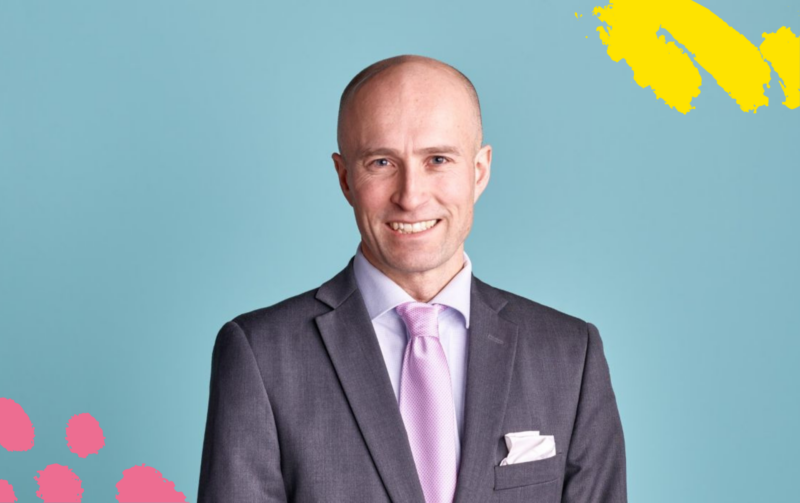
Janne Juvakka, CEO of the Finnish Association of People with Physical Disabilities and a member of Abilympics Helsinki 2027 Advisory Board, explains in his blog post why Abilympics Helsinki 2027 matters: it shows that skills, not disabilities, define professional ability, and invites employers to change how they recruit and work.
Janne Juvakka
- CEO of the Finnish Association of People with Physical Disabilities
- Member of Abilympics Helsinki 2027 Advisory Board

In Finland, there is a great deal of talk about labour shortages, extending working lives and the need to bring more people into the workforce. At the same time, a large group of people have skills and a working contribution that go untapped. Among them are many disabled people who have both the desire and the ability to work, but whose opportunities to enter the labour market are not equal to those of others. This is a contradiction that we, as a society, should not be able to afford.
Abilympics makes skills visible
Abilympics is more than a vocational skills competition. It is an international stage for skills, professional pride and equal opportunities. The competition shows that a disability does not define a person’s professional ability, motivation or chance of succeeding in working life.
The special value of the competition lies in the fact that attention is on what a person can do, not on what they may be unable to do. This is a perspective we need far more widely in working life.
Sometimes this requires an accessible working environment, individual adjustments or new ways of thinking about how work is organised. However, the biggest barrier is often not a person’s disability but the structures of their environment and the attitudes of other people.
Diversity is a strength for the whole of working life
Diversity in the workplace is talked about a lot, but talk does not always turn into practical action. We should see diversity not only as a question of equality but also as an opportunity to build better workplaces and to make wider use of the skills that exist in society.
For employers, this requires a willingness to examine established ways of doing things. Is recruitment genuinely equal? Do we assess applicants on their skills or on our own preconceptions? Are we prepared to adapt the work when necessary?
Abilympics is an opportunity for working life as a whole to learn something new. It brings together skilled people, educational institutions and employers, and builds bridges between education and work. At the same time, it challenges all of us to recognise skills even where we have not previously known how to see them.
The impact of the competition must reach everyday life
I hope that the most important legacy of Abilympics will be not only a successful international event, but also a change in how we regard people’s skills and employment.
Success would mean that more and more employers recognise disabled people, for example, as potential employees, that more and more young people see a possible future for themselves in working life, and that more and more skilled people get the chance to show what they can do.
The Finnish Association of People with Physical Disabilities (Invalidiliitto) wants to help drive this change, which is why it is a member of the advisory board for Abilympics Helsinki 2027. We are also familiar with the importance of vocational education as the principal owner of Spesia Vocational College (Ammattiopisto Spesia). We know how important it is that every young person has the chance to develop their skills and find their place in working life. Work is not only a source of livelihood; for many people it is also an important part of identity, belonging to a community and a meaningful life.